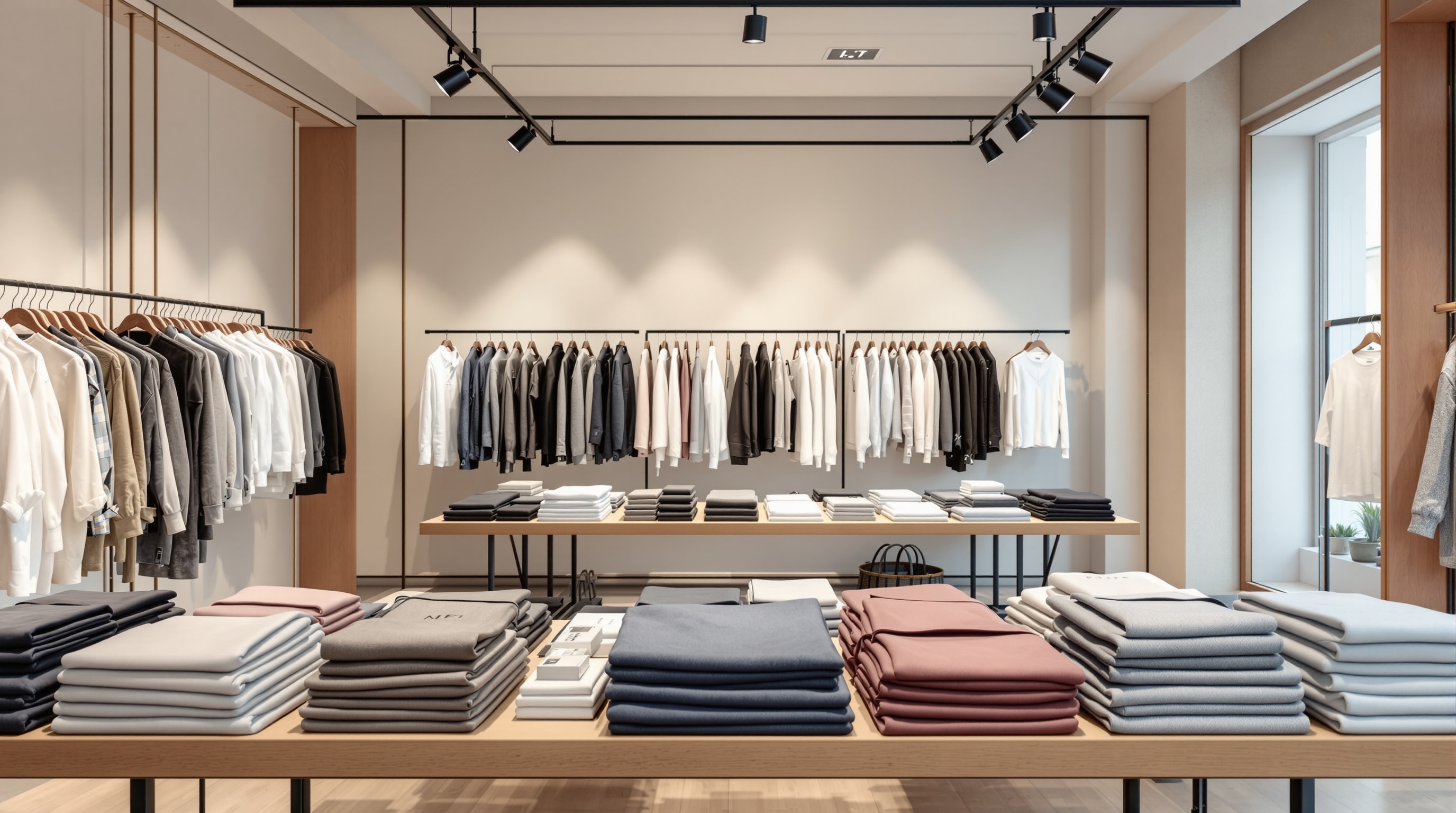
Appearance, “Brand Image,” and Discrimination in Retail Hiring
Few industries think about appearance as deliberately as fashion retail. Stores hire people to embody a brand, and many maintain detailed standards for how staff should look and dress. Most of those standards are perfectly lawful. But when a company’s idea of the “right look” becomes a proxy for race, ethnicity, or national origin, an appearance policy can cross the line into unlawful discrimination.
The “Look Policy” Problem
A look policy is a set of rules about the appearance of customer-facing employees: hairstyle, grooming, clothing, and overall “style.” Retailers defend these policies as legitimate branding. The trouble begins when a look is defined, explicitly or in practice, around a narrow racial or ethnic ideal, and when that ideal drives who gets hired for visible sales-floor roles versus who is steered into stockrooms and overnight shifts — or not hired at all.
Because the sorting happens through subjective judgments about “fit” and “image,” it can be hard to see from the outside. Statistics often reveal it: if applicants of color are hired at far lower rates for public-facing positions, or concentrated out of view, the pattern itself becomes evidence. This is exactly the kind of situation the disparate-impact framework was built to address.
What Civil-Rights Law Requires
Under Title VII, an employer may not use race, color, or national origin as a factor in hiring or job assignment, and may not adopt neutral-sounding standards that screen out protected groups without a genuine business justification. The EEOC has issued guidance making clear that customer or marketing preferences are not a defense to race discrimination. A store cannot lawfully decide that a particular racial image sells better and hire accordingly.
Grooming rules deserve special attention. Policies restricting natural hairstyles associated with Black workers have drawn growing legal and legislative scrutiny, including the spread of CROWN Act laws in many states that expressly protect natural and protective hairstyles as aspects of race.
A Landmark Public Example
The retail sector produced one of the most widely covered employment-discrimination matters of the 2000s. In 2003, a coalition of civil-rights organizations filed a nationwide class action alleging that a major teen-apparel retailer, Abercrombie & Fitch, discriminated against Latino, Asian American, and African American applicants and employees in order to cultivate a particular “A&F look.” The complaint described people of color being denied sales-floor jobs or steered into back-of-store roles. The case, extensively reported by The New York Times, The Wall Street Journal, and other outlets, resolved through consent decrees that required the company to change its recruiting, hiring, and diversity practices and to pay a settlement fund to class members. We discuss this and other cases, strictly as matters of public record, on our landmark cases page.
The lesson of that era was not that branding is illegal. It was that “image” can never be a license to discriminate, and that measurable hiring patterns will eventually tell the truth about a policy no matter how it is described.
Signs a Look Policy May Cross the Line
- Public-facing roles are filled by one racial or ethnic group at strikingly higher rates.
- Applicants of color are consistently routed toward non-visible positions.
- Grooming rules single out hairstyles or features associated with a particular race or ethnicity.
- Recruiters rely on referrals from an already-homogeneous workforce, reproducing it.
- Managers describe the ideal candidate in terms of “look” or “image” rather than skills.
None of these alone proves discrimination, but together they are the fingerprints the law looks for. If you want to understand how such patterns become formal complaints and, sometimes, company-wide reforms, continue with class actions as a civil-rights tool.